
The Diabat Day Trip: Surfing, Camels & Hendrix Ruins Near Essaouira
Salmane
Master Instructor
Four kilometres south of Essaouira, the Atlantic road runs out and the dunes begin. Here, where the Ksob river meets the ocean, you will find Diabat — a cluster of fishing huts, an ancient crumbling tower, and one of the most photographed stretches of beach in Morocco. Camel trains walk past as you wax your board. The Medina walls of Essaouira are visible on the horizon. It is surf and cinema at the same time.
Getting to Diabat
Diabat is a 15-minute drive from central Essaouira, or a 4km walk south along the beach at low tide. We run regular surf safari transport as part of our camp programmes. For independent travellers, petit taxis from Essaouira will take you to the Diabat junction for around 30 dirhams — bargain firmly.
The best approach is to walk south along the beach from the Essaouira bay at low tide. You pass the camel paddock, the rivermouth break, and arrive at the ruins with a natural rhythm. The walk back along the dune ridge, with the city growing on the horizon, is one of the great short walks in Morocco.
The Surf at Diabat
Where the Ksob river flows into the ocean, a shifting sandbar creates a long, peeling left-hander. The wave does not break hard — it is not Sidi Kaouki — but it is long and consistent, making it the ideal spot for:
- Longboarders looking to trim and cross-step on a mellow, glassy face
- Beginners who have mastered white water and want their first real green wave in a less crowded environment
- Photography: The combination of the ancient ruins in the background, camel silhouettes on the dune, and the warm Atlantic light makes Diabat the most visually compelling surf spot on the coast
Best conditions: 0.8–1.5m NW groundswell, low to mid-incoming tide, light E/NE wind. Check the sandbar — it moves seasonally after winter storms.
The Camel Experience
Essaouira's beaches are home to a small community of camel handlers who have worked the coastline for generations. At Diabat, these animals graze freely on the dune grass and walk the tideline as naturally as they would in the desert. Riding along the beach at sunset for 30–60 minutes is a genuinely magical experience, and completely different from the tourist traps you find in more commercial parts of Morocco.
Negotiate directly with the handlers — you will typically agree on 150–200 dirhams for 30 minutes. Avoid anyone with a fixed price sign; the family operations are always more authentic and better value.
The Jimi Hendrix Connection
In 1969, Jimi Hendrix spent several weeks in Diabat, drawn by the same combination of mysticism and wild Atlantic beauty that draws travellers today. Local legend says he stayed in the crumbling tower at the edge of the village — known locally as the "Hendrix Castle" — though historians debate the details. What is certain is that Essaouira inspired him deeply; the sounds of the Gnaoua musicians he encountered here influenced his later work.
The tower itself is partially collapsed and not safe to enter, but it stands dramatically against the dune landscape and makes for a compelling photograph with your board in the foreground.
Where to Eat in Diabat
There is one small café in the village that serves traditional breakfast (argan oil bread, olive oil, honey, fresh coffee) for around 40 dirhams. For lunch, return to Essaouira's port and eat freshly grilled fish at the open-air grill stalls — the price is fixed by weight and always exceptional.
Combining Diabat with a Surf Session
As part of our Sidi Kaouki surf safaris, we often stop at Diabat on the way south to check conditions. If the Diabat rivermouth is working and the main destination is flat, we surf there instead. Flexibility is built into all our safari programs for exactly this reason — the best wave on the day is always the goal.
Continue Reading
View All Stories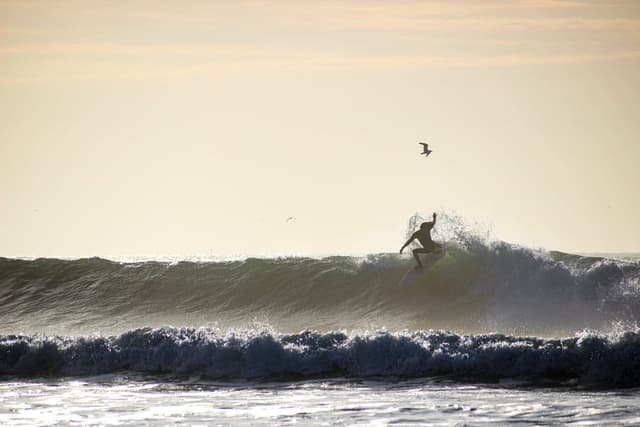
Samadi
Feb 15, 2026
The Ultimate Guide to Surfing in Essaouira: From Beginner Bay to Wild Sidi Kaouki
Looking for the best surf school in Essaouira? This 2026 ultimate guide covers everything from beginner lessons in the bay to advanced waves at Sidi Kaouki. Discover the best time to surf, surf camp packages, and why Essaouira is Morocco's best-kept surfing secret.

Mehdi
Feb 12, 2026
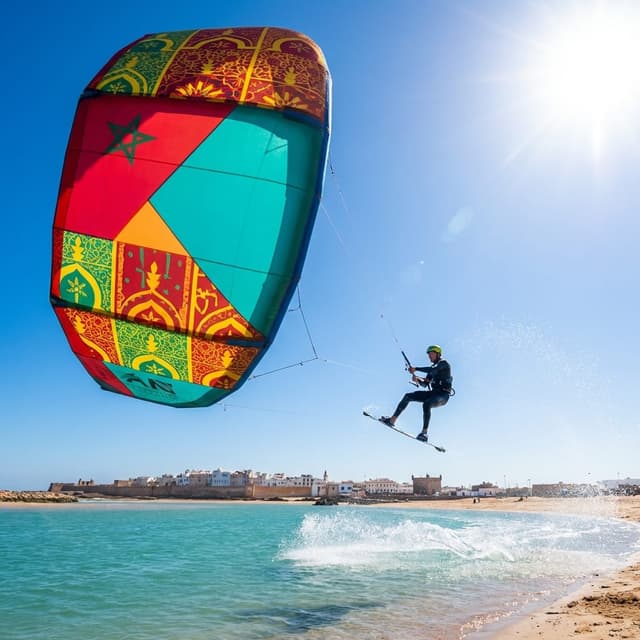
Kitesurfing Essaouira & Morocco: The Master 2026 Guide to the Windy City
Planning to learn kitesurfing in Morocco? Discover why Essaouira is the world-renowned "Windy City of Africa." This master guide covers kitesurf lessons in Essaouira, the best wind season, IKO safety standards, and gear tips for 2026.
Anas
Feb 10, 2026
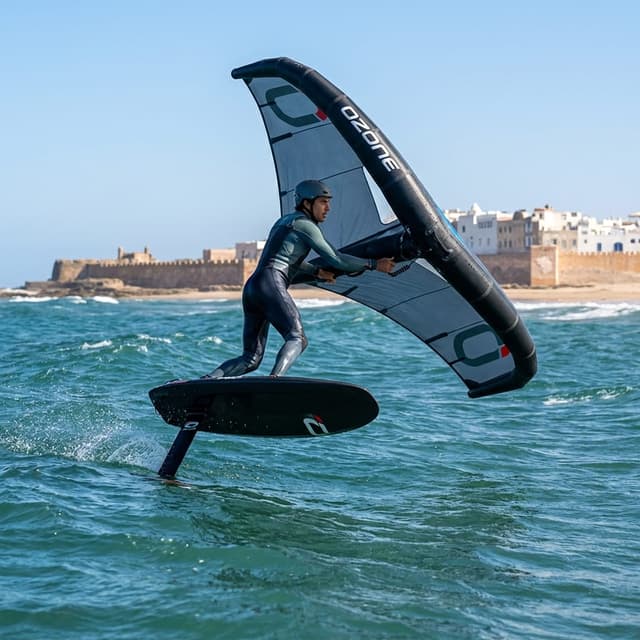
Wingfoil Essaouira: Why 2026 is the Year to Learn foil Surfing in Morocco
Wingfoiling is the fastest-growing water sport in the world, and Essaouira is its Moroccan home. Learn about wingfoil courses in Essaouira, the best gear for Atlantic conditions, and why the "flight" is easier than you think.